Wednesday, January 5, 2011

WATERS Chemistry doin' water chemistry

AC Davis Chemistry students were able to participate in a half day fieldtrip in September to visit the Yakima Sewage Treatment Plant and the Yakima River. It was a great opportunity learn how Yakima's waste water gets "cleaned up" and a chance to measure Yakima River water quality parameters at right near the river's edge.

Yakima River Water Quality

Students were able to test water samples for several important water quality parameters including temperature, pH, conductivity, hardness, and dissolved oxygen. Each of these variables can provide a measurable way to assess river health, both for humans and other living organisms.

Water temperature is a very important water quality parameter, because it can affect both the water chemistry as well as the function and variety of aquatic life in the system.

Did you know that the term pH comes from the French "puissance d'Hydrogene" which means the strength of the hydrogen? Optimum pH for river water is near neutral and extremes in pH can have devastating effects on aquatic life!

Another water chemistry parameter you might not be familiar with is water hardness. Hardness is a measure of the amount of calcium and magnesium ions dissolved in water. In the Yakima watershed water hardness is mainly due to deposits of calcite in the basalt formations and is reported as parts-per-million (ppm) Ca2+.

Conductivity is a measure of how well water can pass an electrical current, thus it is an indirect measurement of the many different dissolved solids in the water. In the Yakima watershed the concentrations of these dissolved solids are affected by the bedrock (containing calcite), agriculture (fertilizers), and road runoff. Decreases in conductivity can indicate the presence of organic pollutants.

Students were also able to make observations about the river, including water color, height, and riverbank vegetation.

Yakima Wastewater Treatment Plant Tour

Students also had the opportunity to learn about the inner workings of the Yakima Wastewater treatment plant.


Many thanks to all the fieldtrip helpers and treatment plant for hosting this great trip!

Wednesday, October 6, 2010

Watershed science gone mobile at Thorp!


On September 10th, 2010 the Yakima WATERS program kicked off at the Thorp School District with a mobile watershed extravaganza! Provided by the Yakima Basin Environmental Education Program (YBEEP), the watershed trailer introduced essential watershed concepts using an interactive learning approach.

Students from Mrs. Lalanne’s 7th, 8th and 9th grade science classes took fate into their own hands by designing dynamic watershed landscapes and testing them against simulated natural forces of water erosion. This watershed on wheels may be fun but it also affords students the opportunity to develop a better understanding of how different systems interact and affect each other within the watershed they live in.


Check out http://www.ybeep.org/ to find out how you can bring the watershed trailer to your school!

Monday, September 20, 2010

Summer Fellows

No rest for the weary!

After the Summer Institute, the fellows continued their summer training with weekly meetings. We had some great meetings this summer and would like to extend a special thanks to all the mentors and previous fellows who lent their expertise on various subjects.

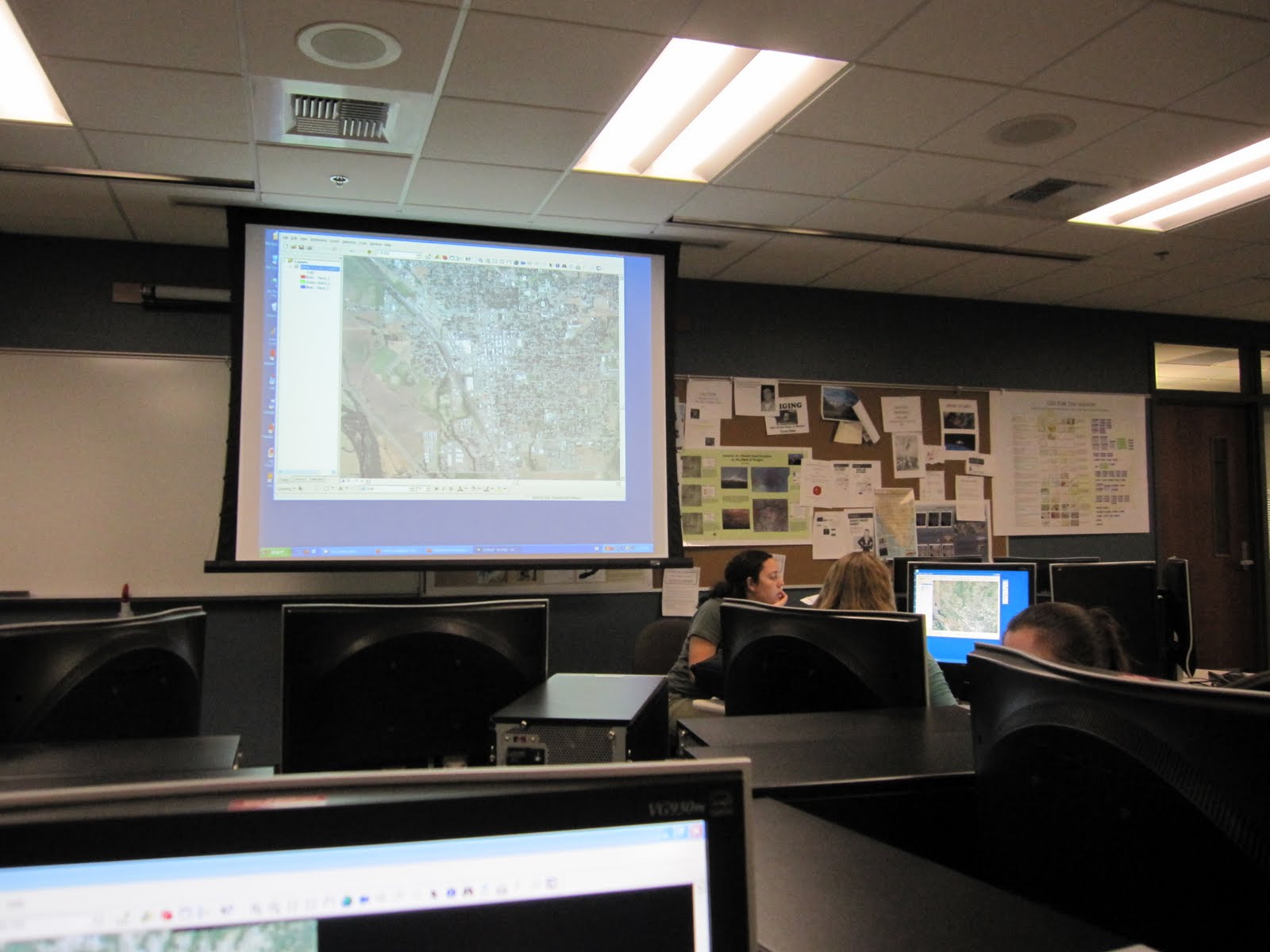
Dr. Jennifer Lipton gave a great hands on lesson on how to incorporate GPS units and mapping into the classroom. We spent a hot, sunny afternoon learning how to use the hand held GPS and then retreated to the cool of the ArcGIS computer lab to plot our points on a map. We also learned some basic ArcGIS skills.


Dr. Dion Rivera reviewed some important water chemistry knowledge and we learned how to use the probes and Hach kits to test for various water quality parameters. We also got to see a couple of really cool chemistry explosions! Mel demonstrates her keen eye for detecting color change as Tabitha carefully titrates.


Remember! If you are interested, CWU Chemistry Club can come visit your classroom and do some pretty awesome demos!

We also had a chance to discuss and plan some education research methods with Drs. Ian Quitidamo and Jenny Dechaine. Dr. Mike Pease and fellow Tiffany Bishop were able to give us an overview of water budget and rights in the Kittitas Valley and we were introduced to a great water rights activity created by Dr. Pease. Jack Lester, a 2009-2010 fellow, met with us to discuss implementation of student research projects in the classroom. We had some great discussion, learned some new skills, and shared some good food!

Many of our fellows have also been busy conducting their summer fieldwork in addition to preparing for their WATERS fellowship and already learning the benefits and struggles of time management!

Stay tuned for updates on the fellows as they begin the school year!

Thursday, July 22, 2010

WATERS Summer Institute 2010


Welcome to all the 2010-2011 Yakima WATERS teams!


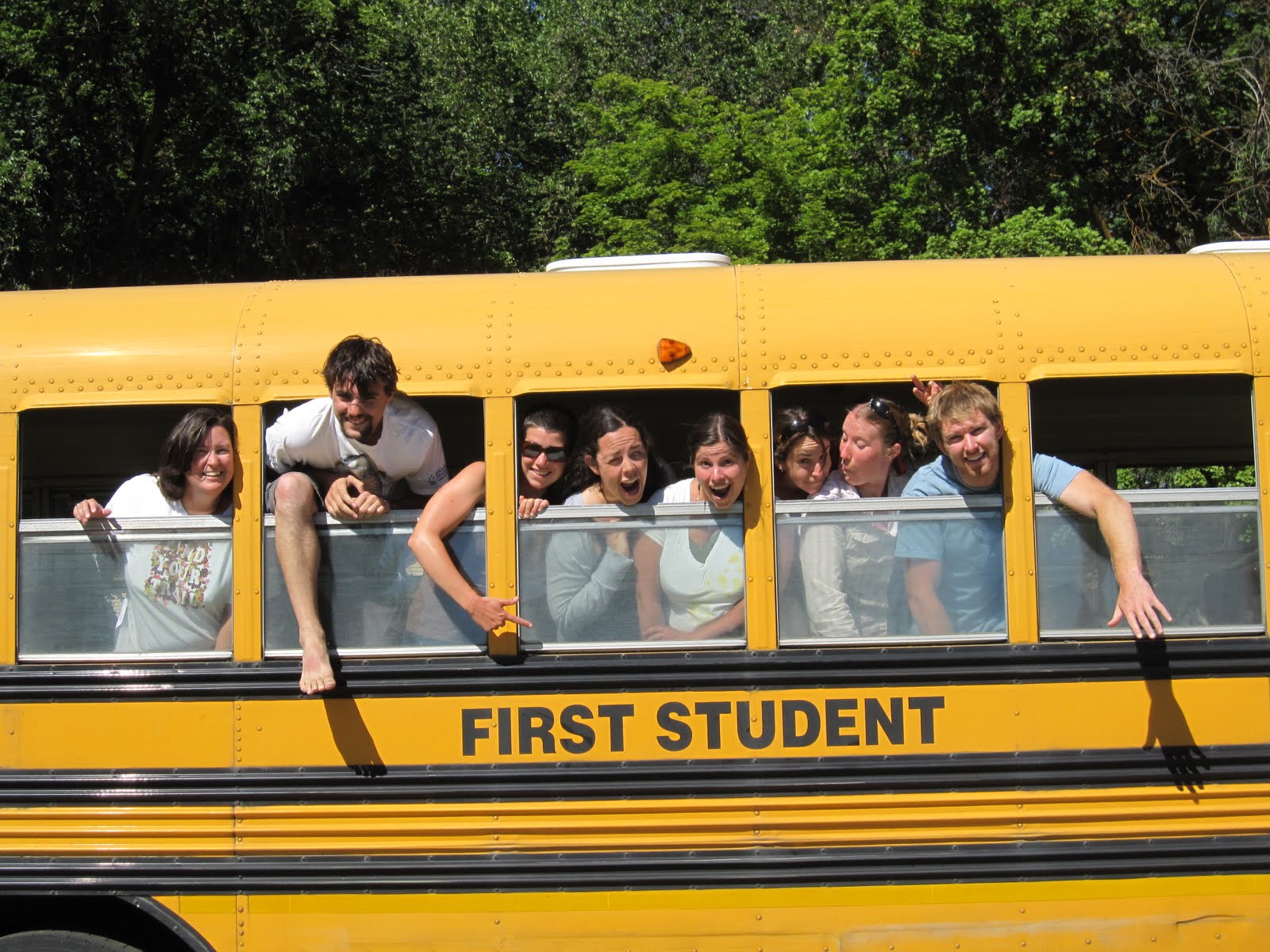
We had a successful Summer Institute July 6th-16th which included an exciting rafting trip on the Yakima River in 50+ mph winds. A great opportunity for team bonding.


We also had an opportunity to drive down the Yakima Valley, stopping to learn about the geologic history of our area as well as the local ecology and land management.


We touched historic riverbed sediments, held snakes (under the guidance and supervision of Dr. Beck, of course!), search for aquatic macro- invertebrates, captured and attempted to identify insects, looked at aerial landslide photos while standing on an old landslide, watched salmon at Roza Dam and learned about salmon management, viewed the majestic Columbia flood basalts, discussed water management and quality in our region, were introduced to our local amphibians, and learned about floodplains, large woody debris, and the cultural and agricultural diversity of the Yakima watershed.

And that was only the first two days!


It was wonderful to have so many experts in the field and classroom with us. All of us were able to learn something outside of our field and share our own knowledge. A great start for the year!

The Summer Instituted ended on a high note with our fellows presenting their team's Action Plan for the upcoming school year. We have a lot to look forward too! Check back for updates on the fellows and their classroom activities and fieldtrips.

Don't worry, they've got everything under control.

Monday, June 7, 2010

Using Liquid Nitrogen to Make Ice Cream at EHS

Recipe: Add cream, sugar, vanilla and liquid nitrogen to kitchen aid...mix and serve. Delicious!

EHS Chemistry Class makes Temperature Probes

Thanks for all your help Dr. Sorey


Friday, May 21, 2010

SOURCE

Wayne Quirk-CWU Provost


Great Job to all our presenters